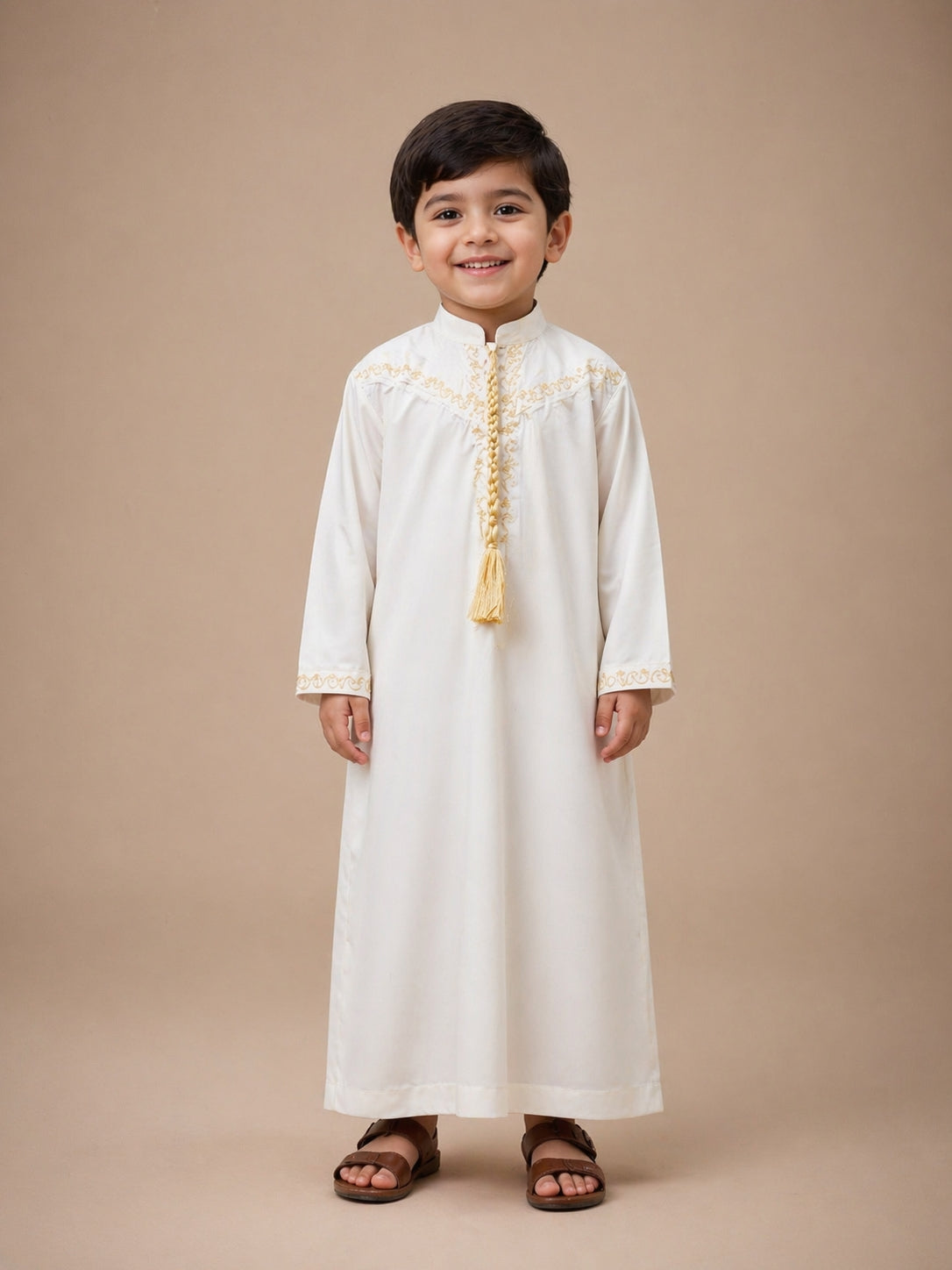


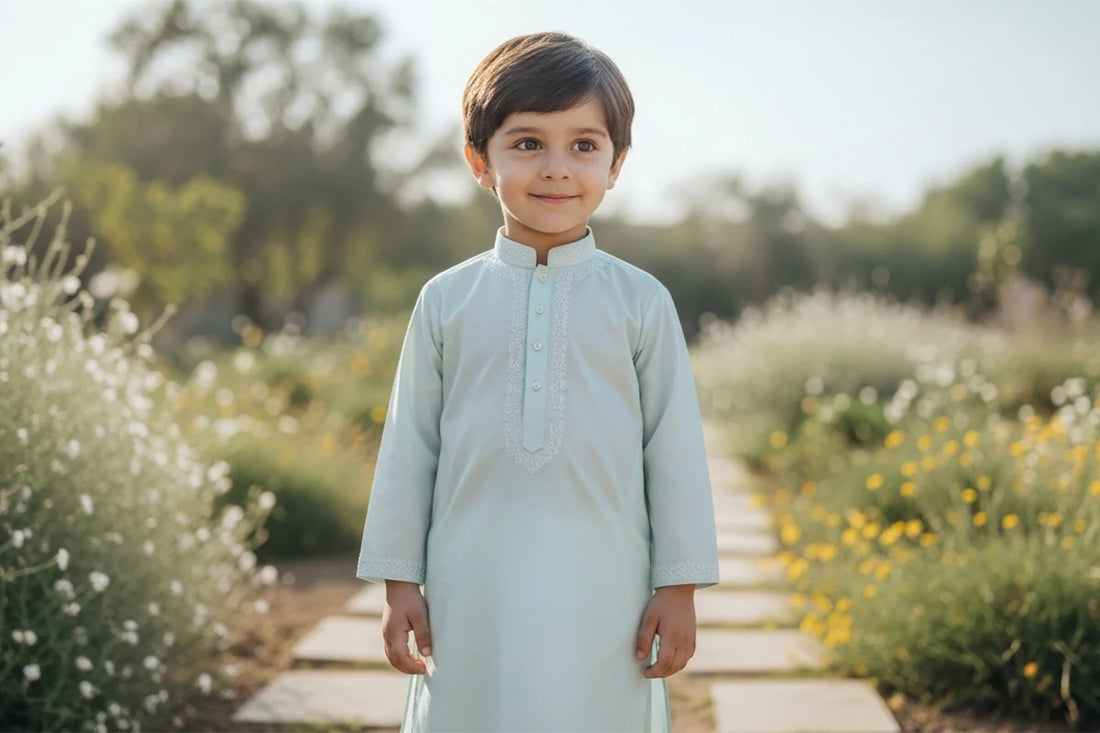
The kurta shalwar kameez is a traditional South Asian garment that combines comfort, cultural significance, and versatility in men's fashion. This classic outfit consists of a long tunic (kurta or kameez) paired with loose-fitting trousers (shalwar), making it suitable for everything from daily wear to formal occasions like weddings and religious celebrations. You'll find these garments crafted in various fabrics including cotton for warm weather and blended materials for year-round wear.
Understanding the design elements and regional variations of kurta shalwar kameez helps you choose the right style for your needs. The garment comes in plain, embroidered, and patterned options, with cuts and silhouettes that range from traditional to contemporary interpretations. You can pair these outfits with waistcoats for added formality or wear them as simple two-piece sets.
The cultural context behind kurta shalwar kameez reveals why this clothing remains popular across Pakistan and neighboring regions. Different areas have developed their own distinctive styles, collar shapes, and embellishment techniques that reflect local traditions. Your choice of design can communicate everything from casual comfort to ceremonial respect, making it essential to understand what each style represents.
Design Elements and Popular Styles
Kurta shalwar kameez designs balance timeless craftsmanship with contemporary aesthetics through specific cuts, materials, and decorative details. The garment's versatility stems from how designers manipulate necklines, sleeve lengths, silhouettes, and surface treatments to create distinct looks.
Traditional vs. Modern Interpretations
Traditional kurta shalwar kameez features straight-cut silhouettes with side slits, mandarin collars, and loose-fitting shalwar with gathered ankles. You'll find classic designs incorporate detailed embroidery along the neckline and cuffs, with lengths extending below the knee. The shalwar typically has a drawstring waist and baggy construction through the thighs.
Modern interpretations introduce tailored fits with structured shoulders and tapered sleeves. Contemporary designs include asymmetrical hemlines, angular cuts, and collar variations like band collars or open necklines. You can choose from slim-fit shalwar, straight-leg pants, or dhoti-style bottoms that replace traditional gathered designs.
Hybrid styles merge both approaches by pairing a fitted kurta with traditional shalwar or combining classic embroidery techniques with minimalist silhouettes. These adaptations make the outfit suitable for both formal events and casual settings.
Fabric Choices and Textures
Summer fabrics include cotton, lawn, linen, and cambric that provide breathability in warm climates. These materials work well for daily wear and manage moisture effectively.
Formal and winter options feature silk, velvet, brocade, and jamawar that add weight and luxury to the garment. You'll see these fabrics reserved for weddings and ceremonial occasions.
Blended materials combine synthetic and natural fibers to improve durability and reduce wrinkling. Textured fabrics like jacquard and dobby weaves add visual interest without additional embellishment.
Color Trends and Embellishments
Solid colors dominate current trends, with navy blue, deep green, charcoal grey, and white offering versatile styling options. These shades create clean, confident looks when paired with contrasting or matching bottoms.
Embellishment techniques range from subtle to elaborate:
- Thread work: Zari, resham, and dori embroidery along panels and borders
- Surface techniques: Block printing, screen printing, and digital prints
- Applied details: Sequins, beads, and mirror work for festive occasions
- Minimal accents: Contrast piping, button details, and textured stitching
Tonal embroidery maintains sophistication while providing texture. Placement matters—you'll find detailing concentrated on the neckline, sleeves, and hemline rather than covering the entire garment.
Regional and Cultural Influences
The kurta shalwar kameez displays distinct characteristics across different regions of South Asia, shaped by centuries of cultural exchange and historical influences. From the embroidery techniques of Punjab to the flowing silhouettes of Sindh, these variations reflect local aesthetics while maintaining the garment's fundamental structure.
Punjabi and Sindhi Variations
Punjab's interpretation of the shalwar kameez emphasizes vibrant colors and intricate embroidery. You'll find phulkari work adorning many Punjabi kurtas, featuring geometric patterns and floral motifs in bright threads. The Punjabi cut typically includes a straight or slightly flared kameez with moderate length.
The shalwar in Punjab often features a wider cut with generous pleats at the waist. This allows for comfort and ease of movement, particularly suited to the region's agricultural heritage.
Sindhi variations favor ajrak prints and mirror work incorporated into the fabric. The Sindhi shalwar kameez often uses earthy tones like deep reds, indigos, and browns. The silhouette tends to be looser and more flowing compared to Punjabi styles, adapted to the region's warmer climate.
Regional differences extend to the dupatta styling as well. Punjabi dupattas are typically draped over both shoulders, while Sindhi styles may incorporate the cloth as a head covering with specific folding techniques.
Influence of Mughal Era
The Mughal Empire fundamentally shaped the kurta shalwar kameez into its modern form. Court artisans introduced Persian tailoring techniques that refined the garment's construction and fit. You can trace the origins of detailed neckline embroidery and side slits directly to Mughal fashion innovations.
Zari work and zardozi embroidery became hallmarks of formal shalwar kameez during this period. These techniques used gold and silver threads to create elaborate patterns inspired by Mughal architecture and gardens.
The Mughals popularized the use of luxurious fabrics like silk, brocade, and fine cotton muslin. They established workshops that specialized in block printing and hand-dyeing techniques still used today. The structured silhouette with a fitted chest and flowing lower portion reflects Mughal aesthetic principles of elegance and modesty.
Global Adaptations
The shalwar kameez has evolved beyond South Asia to accommodate diaspora communities worldwide. In Western countries, you'll find fusion styles that pair the kurta with jeans or incorporate contemporary cuts with traditional embellishments.
Modern adaptations include:
- Asymmetrical hemlines and side cuts
- Western-style collars and button placements
- Shorter kurta lengths suitable for casual wear
- Contemporary prints mixing traditional and modern motifs
Fashion designers in Europe and North America have incorporated shalwar kameez elements into runway collections. These adaptations typically simplify the original design while retaining key features like the straight-cut tunic and comfortable trousers. The garment's modesty and versatility appeal to diverse audiences seeking alternatives to conventional Western attire.
Digital platforms have accelerated global exchange of regional styles. You can now access Balochi embroidery patterns or Kashmiri cuts regardless of your location, creating hybrid styles that blend multiple regional traditions.


