

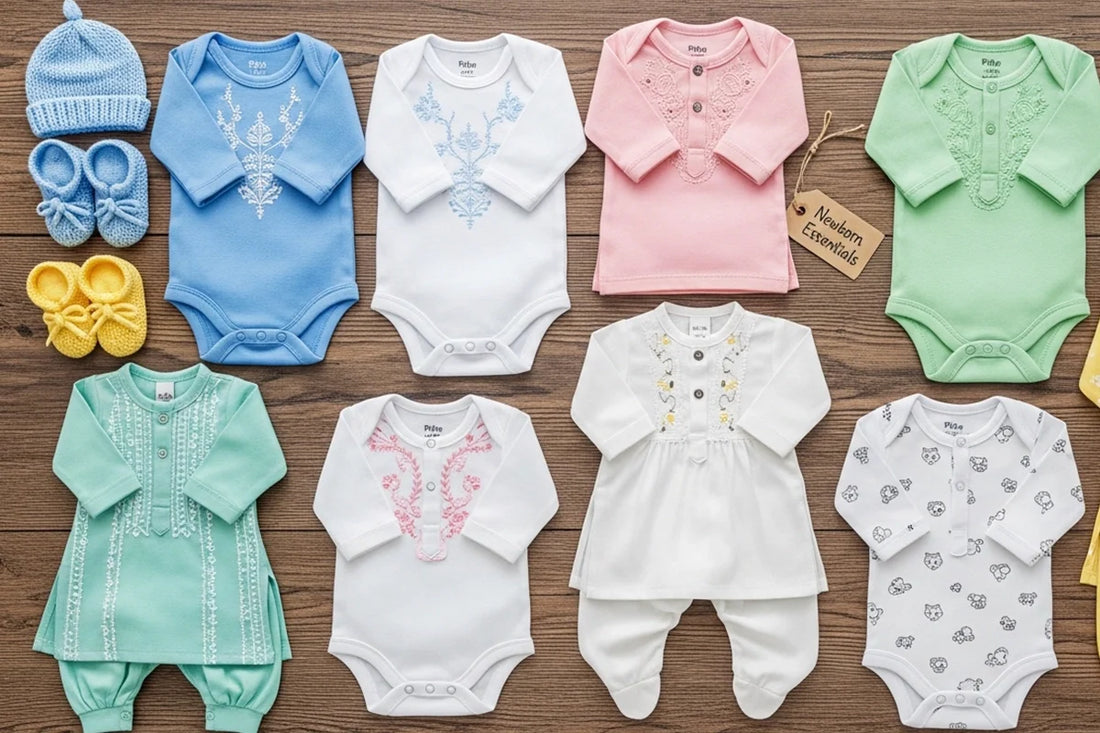
Choosing the right clothes for your newborn involves more than just picking cute designs. The best newborn baby clothes prioritize soft, breathable fabrics and proper fit to ensure your baby's comfort and safety during their first weeks of life. Making informed decisions about materials and sizing helps protect your baby's delicate skin while making dressing and diaper changes easier for you.
New parents often feel overwhelmed by the variety of options available when shopping for baby clothes. You need to balance practical considerations like fabric breathability and ease of washing with your preferences for style and budget. Understanding what to look for in materials and how newborn sizing works will help you build a functional wardrobe without unnecessary purchases.
This guide walks you through the essential aspects of selecting newborn clothing. You'll learn which fabrics work best for different situations and how to choose sizes that accommodate your baby's rapid growth during those early months.
Key Fabrics and Materials
Selecting the right fabrics for newborn clothing directly impacts your baby's comfort and skin health. Organic cotton offers superior softness and safety, while sustainable materials provide eco-conscious alternatives without sacrificing quality.
Benefits of Organic Cotton
Organic cotton stands as the gold standard for newborn clothing because it's grown without synthetic pesticides, herbicides, or chemical fertilizers. This production method results in fabric that's gentler on your baby's sensitive skin and reduces exposure to potentially irritating residues.
The material provides excellent breathability, allowing air circulation that helps regulate your baby's body temperature. This prevents overheating and reduces moisture buildup against the skin.
Organic cotton becomes softer with each wash while maintaining its durability. You'll find it holds up well through repeated laundering, which is essential given how frequently you'll need to clean newborn clothing.
The fabric's hypoallergenic properties make it suitable for babies with eczema or sensitive skin conditions. It absorbs moisture effectively, keeping your baby's skin dry and comfortable throughout the day.
Eco-Friendly and Sustainable Options
Bamboo fabric offers natural antibacterial properties and silky softness comparable to cashmere. It grows rapidly without pesticides and requires minimal water, making it a renewable resource. The fabric provides excellent temperature regulation and moisture-wicking capabilities.
Tencel (lyocell) is produced from sustainably harvested wood pulp through a closed-loop process that recycles water and solvents. It's exceptionally soft, biodegradable, and less prone to bacterial growth than cotton.
Organic merino wool regulates temperature effectively in both warm and cold conditions. It naturally resists odors and wicks moisture away from skin. Look for superfine merino specifically designed for baby wear, as it lacks the scratchiness of traditional wool.
These materials often carry certifications like GOTS (Global Organic Textile Standard) or OEKO-TEX Standard 100, which verify their safety and environmental standards.
Choosing Sizes and Fit
Newborn clothing sizes vary significantly by brand, and babies grow at different rates during their first months. Weight often provides a more reliable sizing indicator than age alone, while seasonal considerations affect both the quantity and type of clothing you'll need.
Understanding Age and Weight Guidelines
Most newborn clothing fits babies up to 8 pounds and 21.5 inches long. If your baby weighs more than 8 pounds at birth, you should skip newborn sizes entirely and start with 0-3 month clothing.
Standard sizing by weight typically breaks down as:
- Newborn (NB): Up to 8 lbs
- 0-3 months: 8-12 lbs
- 3-6 months: 12-16 lbs
- 6-9 months: 16-20 lbs
Different brands interpret these guidelines differently. Some manufacturers run small while others run large, so checking specific brand size charts before purchasing helps avoid returns.
You should measure your baby's weight and length when possible, as these measurements matter more than age. A three-month-old baby might wear anything from newborn to 6-month sizes depending on their growth pattern. Babies typically stay in newborn sizes for just 2-4 weeks, though smaller babies may wear them for 6-8 weeks.
Adjusting for Seasonal Needs
Winter babies need larger sizes to accommodate layering underneath outerwear. You should buy clothing one size up for snowsuits and bunting bags to fit over regular clothes comfortably.
Summer babies require fewer total pieces since they'll wear lighter, single-layer outfits. Lightweight rompers and onesies in breathable fabrics work best for warm weather, and you won't need to size up as drastically.
Climate affects how many items you need in each size range. Babies in cold climates need multiple warm layers that they'll outgrow quickly, while babies in moderate climates can wear the same lightweight pieces longer. Purchase fewer newborn-sized winter items since your baby will likely outgrow heavy clothing before the season ends.


