

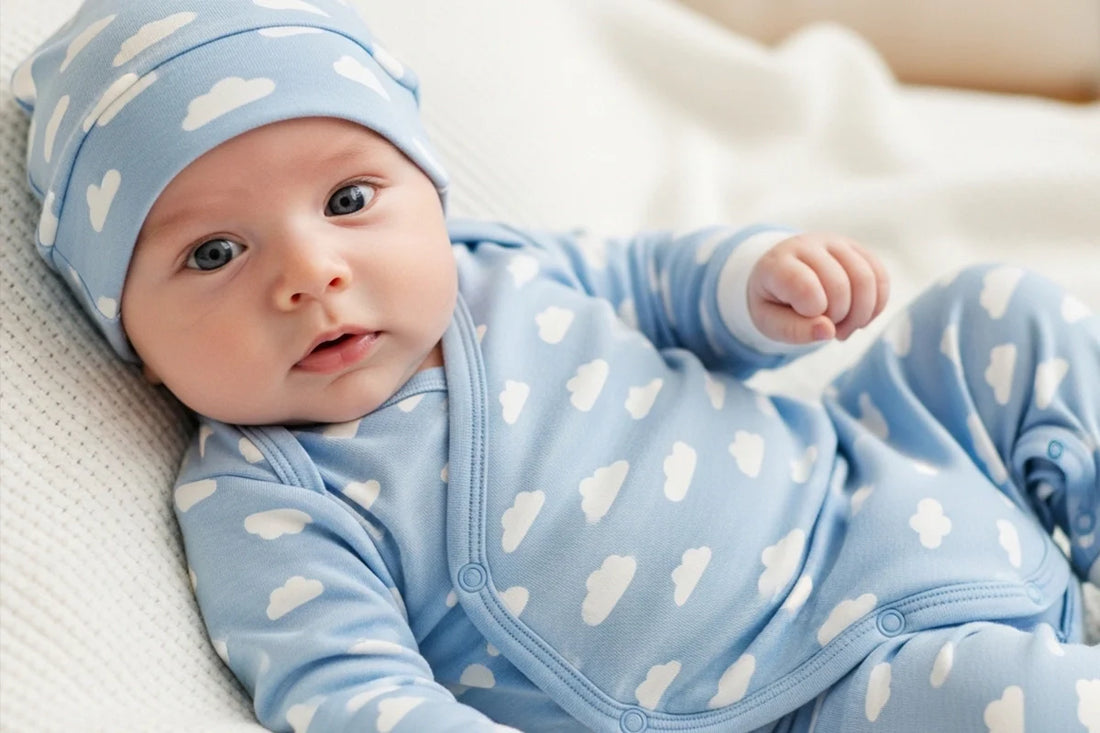
Choosing the right fabric for your newborn's clothing directly affects their comfort, skin health, and overall wellbeing. The best fabrics for newborn babies are soft, breathable, and hypoallergenic materials like organic cotton, bamboo, and muslin that regulate body temperature and protect delicate skin. Your baby's skin is thinner and more sensitive than yours, making fabric choice a critical decision rather than just a style preference.
The fabric touching your newborn's skin throughout the day and night determines whether they stay comfortable or experience irritation, overheating, or rashes. Different materials offer varying levels of breathability, softness, and safety features that you need to understand before making purchases.
This guide walks you through the specific textile options available for infant clothing and the practical factors you should evaluate when selecting fabrics for your baby's wardrobe. You'll learn which materials work best for different situations and how to make informed choices that prioritize your newborn's comfort and safety.
Types of Textiles for Infants
Natural fibers like organic cotton and bamboo provide softness and breathability, while hypoallergenic materials minimize the risk of skin reactions in newborns.
Organic Cotton Options
Organic cotton stands as the most widely recommended fabric for infant clothing. This material is grown without synthetic pesticides, herbicides, or chemical fertilizers, making it safer for your baby's sensitive skin.
The fabric's natural breathability helps regulate body temperature, preventing overheating during sleep or play. Organic cotton is also highly absorbent, wicking moisture away from your baby's skin to reduce the risk of rashes.
Key benefits include:
- Soft texture that won't irritate delicate skin
- Durable enough to withstand frequent washing
- Chemical-free production process
- Available in various weights for different seasons
Look for certifications like GOTS (Global Organic Textile Standard) or OEKO-TEX when purchasing organic cotton items. These certifications verify that the fabric meets strict safety and environmental standards throughout the manufacturing process.
Bamboo-Based Fabrics
Bamboo fabric offers natural antimicrobial properties that help prevent bacterial growth on your baby's clothing. The material is processed from bamboo pulp into a soft, silky textile that feels smooth against infant skin.
This fabric is more absorbent than cotton, holding up to three times its weight in moisture. Bamboo textiles also provide natural UV protection and excellent temperature regulation. The fabric keeps babies cool in warm weather and warm in cooler conditions.
Bamboo fabric is biodegradable and comes from a renewable resource that grows quickly without pesticides. The material has a natural stretch that allows for comfortable movement without restricting your baby's activities.
Hypoallergenic Materials
Hypoallergenic fabrics minimize allergic reactions and skin irritation in infants with sensitive skin or existing conditions like eczema. These materials are processed without harsh chemicals, dyes, or fabric treatments that can trigger reactions.
Common hypoallergenic options include:
- Organic cotton: Free from chemical residues
- Bamboo viscose: Naturally resistant to allergens
- Tencel (lyocell): Made from sustainably sourced wood pulp
- Merino wool: Fine fibers that don't irritate skin
When selecting hypoallergenic fabrics, verify that the material is certified free from formaldehyde, heavy metals, and other harmful substances. Pre-wash all new clothing items before your baby wears them, even if they're labeled hypoallergenic.
Key Considerations When Selecting Baby Fabrics
Selecting the right fabric for your baby requires attention to safety certifications, temperature regulation properties, and practical washing needs. These three factors determine whether a fabric will protect your baby's delicate skin while fitting into your daily routine.
Safety Standards and Certifications
Look for fabrics certified by OEKO-TEX Standard 100, which tests for over 300 harmful substances including formaldehyde, heavy metals, and pesticides. This certification specifically addresses baby products in Class I, the most stringent category.
GOTS (Global Organic Textile Standard) certification guarantees that organic fibers contain at least 95% certified organic materials and meet strict environmental and social criteria throughout production. Fabrics with this certification are processed without toxic chemicals, synthetic dyes, or heavy metals.
Check garment labels for flame retardant treatments. Many flame retardants contain harmful chemicals that babies shouldn't be exposed to through clothing contact. Natural fabrics like cotton provide adequate safety without chemical treatments.
Certifications to prioritize:
- OEKO-TEX Standard 100 (Class I for babies)
- GOTS (Global Organic Textile Standard)
- CPSIA compliance (US Consumer Product Safety Improvement Act)
- Bluesign certification for chemical safety
Breathability and Comfort
Breathable fabrics prevent overheating by allowing air circulation and moisture evaporation. Newborns cannot regulate their body temperature effectively, making breathability a critical safety feature rather than just a comfort preference.
Cotton weaves, bamboo, and linen rank highest for breathability. These natural fibers have microscopic gaps that facilitate airflow while wicking moisture away from your baby's skin. Avoid synthetic materials like polyester and acrylic for everyday wear, as they trap heat and moisture.
The fabric weight matters for different seasons. Lightweight muslin (around 120 GSM) works for summer clothing, while medium-weight cotton (160-200 GSM) suits year-round use. Dense, heavy fabrics restrict movement and increase sweating.
Texture directly affects your baby's comfort. Fabrics should feel soft against bare skin without roughness, stiffness, or scratchy seams. Pre-washed fabrics eliminate chemical residues and achieve their final softness before first use.
Care and Maintenance Requirements
Choose fabrics that withstand frequent washing at high temperatures. Babies require multiple clothing changes daily, and fabrics need to survive 60°C (140°F) wash cycles that eliminate bacteria and allergens without deteriorating.
Washing durability by fabric type:
| Fabric | Max Temperature | Shrinkage Risk | Drying Method |
|---|---|---|---|
| 100% Cotton | 60°C | Moderate (3-5%) | Tumble or line |
| Bamboo | 40°C | Low | Line preferred |
| Cotton Blends | 40-60°C | Low | Tumble safe |
| Organic Cotton | 60°C | Moderate | Any method |
Pre-shrunk fabrics save you from sizing problems after the first wash. Many organic cottons shrink 3-5% initially, so account for this when selecting sizes.
Stain resistance varies by fiber structure. Tightly woven fabrics resist absorption better than loose weaves, making them easier to clean. Avoid fabrics requiring dry cleaning or special detergents, as these add unnecessary complexity to baby care routines.


